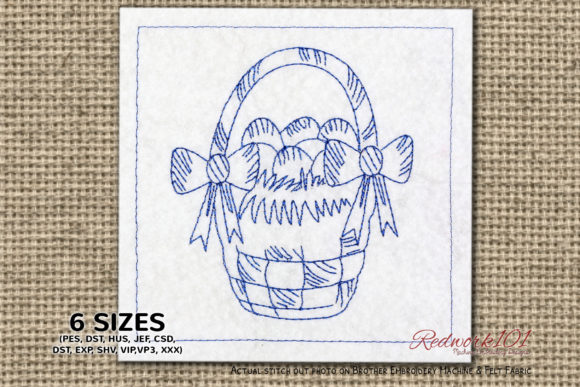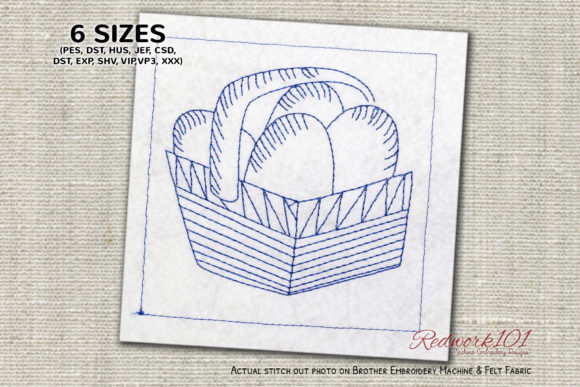
Easter Eggs Basket Bluework
First Impression: Soft Festive Charm with Handmade Appeal
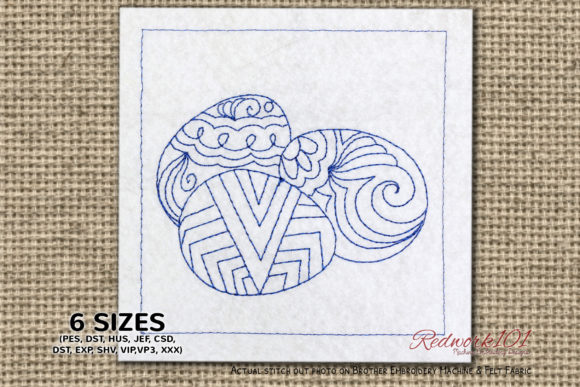
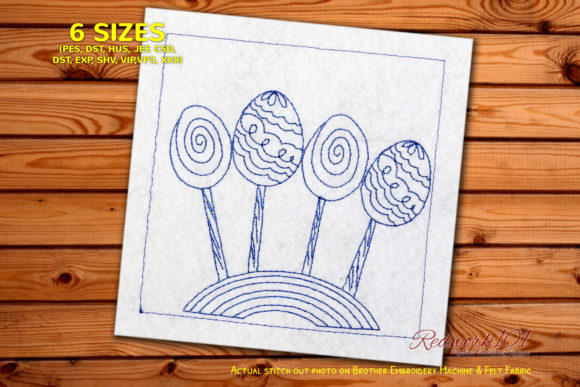
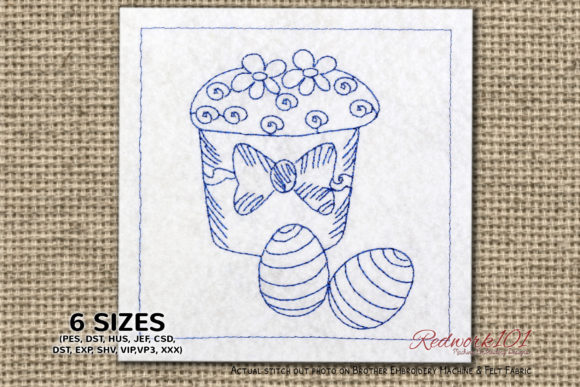
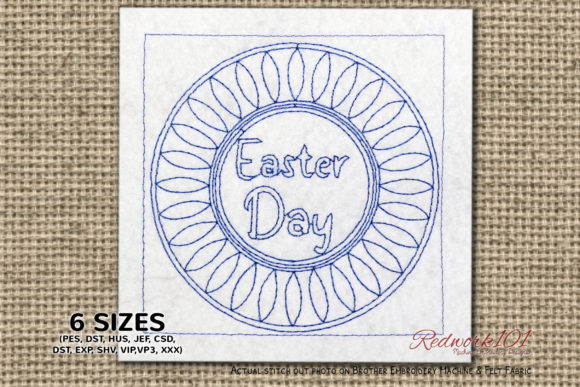
As an embroidery designer who’s prepped over 200 craft fair booths, my first read on Easter Eggs Basket Bluework is clear: it leans into soft festive charm—not loud or cartoonish, not overly ornate or stiff. The “bluework” hint signals a classic, slightly vintage sensibility—think linen tea towels in a sunlit farmhouse kitchen, not plastic Easter grass and neon bunnies. It feels intentional, quiet, and confident. That’s gold for handmade markets where shoppers scan tables in under three seconds and gravitate toward designs that whisper *crafted*, not shout *mass-produced*.
Where It Shines: Product-by-Product Realism
Tote bags: A standout. Centered on a natural canvas or oatmeal linen tote, Easter Eggs Basket Bluework reads beautifully at 4–5 inches wide—large enough to anchor the bag but small enough to leave room for texture and drape. Customers notice it immediately because it’s balanced, legible, and feels like a keepsake—not a seasonal throwaway.
Aprons and tea towels: Ideal placement. On an apron bib or towel corner, the basket motif reads as both decorative and thematic—no explanation needed. The optional Box Stitch adds subtle dimension if you’re aiming for heirloom-level detail, but skipping it keeps production fast and clean for high-volume craft fair days.
Embroidered patches and fabric pouches: Excellent scalability. At 2.5 inches, Easter Eggs Basket Bluework retains clarity without crowding. Patches sewn onto denim jackets or canvas pouches become instant conversation starters—especially when paired with neutral thread tones that let the bluework feel grounded, not precious.
Caps and pillow covers: Use caution. The basket shape works on curved surfaces only if digitized with gentle curve compensation—check your embroidery file before hooping. On pillow covers, center it on a solid-color front panel (not busy prints) to preserve its quiet elegance.
What Makes It Sell—And What Slows It Down
This design wins because it’s instantly legible at booth distance. No tiny eggs hidden in foliage. No overlapping lettering. Just clean lines, rhythmic spacing, and a focal basket that reads as “Easter” without cliché. That clarity translates directly to online listings: one clean photo of the design on a cream tea towel sells more than three cluttered mockups.
It’s also highly repeatable. You can stitch 30+ versions across tote bags, patches, and pouches in a single batch without fatigue or inconsistency—provided stitch density stays moderate. Avoid dense fill areas unless you’re using lightweight stabilizer and testing on your target fabric first.
Careful-Use Notes for Real-World Production
- Tiny details: If the eggs inside the basket are under 3mm tall, they’ll vanish on textured towels or dark fabrics. Simplify or omit for those substrates.
- Curved surfaces: Caps and mugs (if heat-pressed) demand flattened digitizing—don’t assume the default file works “as-is.” Test on scrap first.
- Fabric texture: Heavy terry cloth or thick denim may swallow fine lines. Boost contrast with brighter thread colors or add a light tear-away stabilizer layer underneath.
- Small sizes: Below 2 inches wide, the basket’s structure blurs. Reserve smaller versions strictly for patches or labels—not primary product features.
Booth & Brand Impact: More Than Just a Design
In a crowded craft fair aisle, Easter Eggs Basket Bluework strengthens your display by anchoring a cohesive Easter collection. Pair it with matching egg-shaped pincushions, hand-stitched tags, and minimalist packaging—and suddenly your booth reads as intentional, not incidental. Buyers sense that care. They’ll pay more for a linen apron with this design than for the same apron with a generic bunny clipart.
For Etsy sellers and digital designers, this is a quietly powerful asset. It photographs well on printable mockups, scales cleanly across product categories, and avoids trend fatigue—it won’t look dated by next March. As a commercial embroidery file, it supports brand consistency across wholesale partners (e.g., boutique gift shops wanting coordinated staff aprons and customer tote bags).
Designer-to-Designer Must-Dos Before Booth Day
- Test Easter Eggs Basket Bluework on scrap fabric matching your final product—canvas, linen, terry, denim.
- Verify thread contrast: light blue on ivory? Deep navy on charcoal? Don’t assume—hold swatches side-by-side in natural light.
- Review spacing between basket elements. Tight gaps cause thread nesting; wide gaps weaken cohesion.
- Confirm hoop size compatibility. If your largest hoop is 5×7”, ensure the full design fits—or plan for re-hooping.
- Inspect stitch density in the basket weave. Overly dense fills cause puckering on lightweight fabrics.
- Choose stabilizer intentionally: cut-away for knits, tear-away for stable wovens, fusible for delicate linens.
- Create at least one real, stitched mockup—not just a digital preview—before ordering bulk fabric.
- Compare how the design reads on light vs. dark fabric. Adjust thread choices accordingly.
- Confirm commercial licensing terms. If selling finished products, ensure your embroidery file permits resale—not just personal use.
Bottom line: Easter Eggs Basket Bluework isn’t flashy—but it’s reliable, versatile, and deeply aligned with what thoughtful handmade buyers seek. It’s the kind of embroidery file that builds trust, repeats across collections, and quietly lifts the perceived value of every product it touches. In a market saturated with noise, that’s not just practical—it’s profitable.