Easter Candy Bluework
A Practical Review for Small Business Merchandise & Branded Patches
As an embroidery designer who’s developed hundreds of commercial designs for cafés, boutiques, bakeries, florists, pet brands, and Etsy sellers, I approach every new machine embroidery design with two questions: Does it communicate brand value at a glance? and Will it hold up across real-world production conditions? Easter Candy Bluework lands firmly in the “yes” column—but only when used intentionally. Let’s break down why.
First Impression: Playful, Handmade, and Professionally Refined
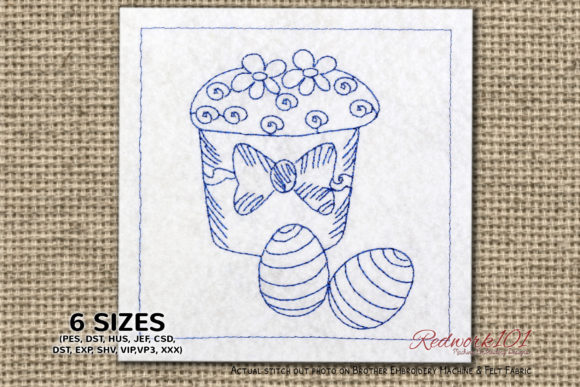
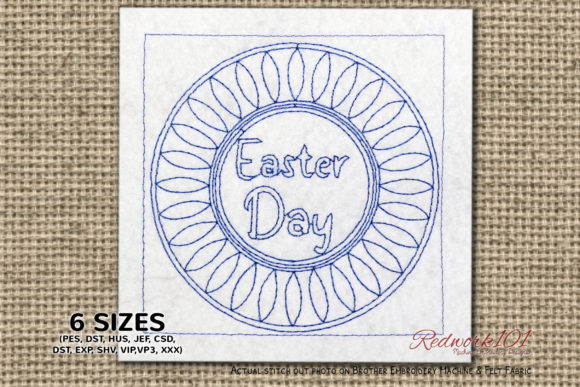
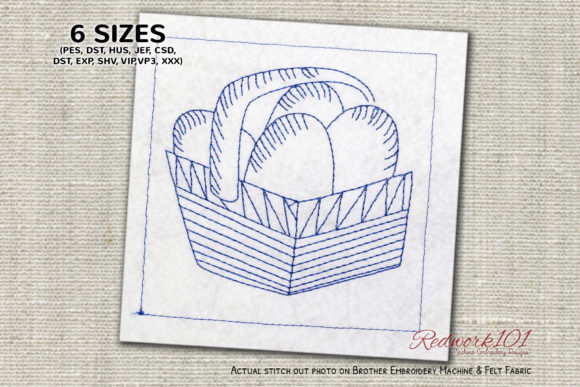
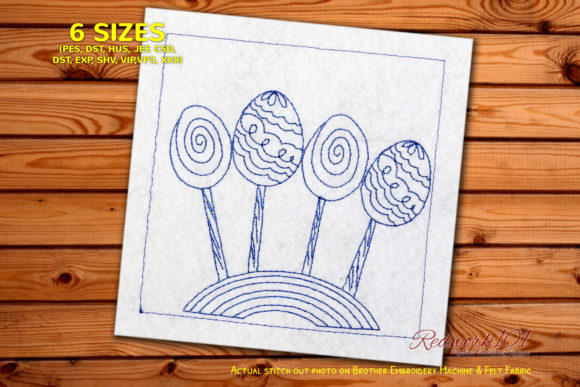
Easter Candy Bluework evokes sweetness without saccharine overload. The title suggests lightness—candy hues, hand-drawn charm, seasonal warmth—while “Bluework” hints at traditional hand-embroidery roots. That duality is its strength: it feels handmade enough to suit artisanal brands, yet clean and balanced enough for polished uniforms or boutique packaging. It’s not overly bold or cartoonish, nor is it stiff or formal. For small businesses aiming to project approachability *and* care, Easter Candy Bluework delivers visual harmony right out of the file.
Where Easter Candy Bluework Shines in Real Business Use
This design excels where personality meets practicality:
- Embroidered patches: Works beautifully as a sew-on or iron-on patch on tote bags, aprons, or shop jackets—especially when paired with natural fabrics like canvas, denim, or linen.
- Staff uniforms & aprons: Its moderate scale and clear silhouette read well on chest pockets or sleeve accents—even on slightly textured cotton twill or poly-cotton blends.
- Cap embroidery: When sized appropriately (typically 2.0–2.5" wide), Easter Candy Bluework maintains legibility on structured front panels without overwhelming the curve.
- Tote bag design & product labels: As a subtle branding mark near a handle seam or bottom corner, it adds warmth without competing with printed logos or product names.
- Customer gifts & event merch: Perfect for limited-run Easter-themed staff thank-you kits, local market swag, or seasonal pop-up bundles—reinforcing community connection through consistent, tactile branding.
Where to Use Easter Candy Bluework Thoughtfully
Not every surface is equal—and Easter Candy Bluework rewards smart placement:
- Avoid ultra-small patch sizes (under 1.25"): Fine details may blur or stitch poorly; always test at your target size before bulk production.
- Caps & curved surfaces: Confirm spacing between elements remains readable after hooping and fabric stretch—especially if the Box Stitch (noted as optional) is included.
- Dark or heavily textured uniforms: Thread color contrast becomes critical. If the outer Box is a different color—as mentioned in the description—verify that contrast holds on charcoal, navy, or heathered fabrics.
- Frequently washed items (e.g., kitchen aprons): High stitch density can impact durability over time. Check whether Easter Candy Bluework relies on dense fill areas or delicate outlines that may wear faster.
How Easter Candy Bluework Strengthens Brand Identity
In small business merch, consistency builds trust—and Easter Candy Bluework supports that quietly but effectively. Unlike generic clipart-style Easter motifs, its bluework sensibility signals intentionality: this isn’t just seasonal decoration—it’s part of a considered visual language. When repeated across aprons, tote bags, and packaging, it reinforces handmade authenticity while keeping tone friendly and inclusive. Customers notice that cohesion. They associate it with care, craft, and local presence—not mass production.
For Etsy sellers and creative studios, Easter Candy Bluework also elevates perceived product value. A thoughtfully embroidered detail tells buyers your brand respects materials, process, and presentation. That translates directly into engagement: longer dwell time on product pages, higher cart conversion, and repeat customers who recognize your signature touch.
Essential Embroidery Designer Notes Before Production
Before sending Easter Candy Bluework to your digitizer or loading it into your commercial embroidery machine, run these checks:
- Test in black and white first: Print a grayscale version to assess contrast, spacing, and hierarchy—no thread colors needed yet.
- Verify small-patch viability: Resize to your smallest intended use (e.g., 1.5" cap logo) and inspect clarity in software or via printable mockup.
- Review thread color contrast: Especially if using the optional Box Stitch—ensure it enhances rather than distracts from the core motif.
- Inspect spacing between elements: Tight loops or narrow gaps may cause nesting or skipped stitches on low-tension machines.
- Confirm hoop size compatibility: Does Easter Candy Bluework fit comfortably within your most-used hoops? Oversized files increase re-hooping time and risk misalignment.
- Test on real fabric: Run a sample on your actual garment or patch substrate—not just stabilizer alone.
- Choose stabilizer wisely: Lightweight cutaway for stable knits, tear-away for woven cottons, and mesh for caps.
- Create a client-facing mockup: Show how Easter Candy Bluework looks on final products—not just isolated on white.
- Compare beside existing design assets: Does it visually align with your logo, typography, and other embroidery files?
- Confirm commercial licensing: Since Easter Candy Bluework is positioned for small business merch and branded patch use, ensure your purchase includes rights for resale, promotional use, and physical product application.
Remember: Easter Candy Bluework isn’t just about Easter—it’s about embedding your brand in moments that feel personal, seasonal, and sincere. Used with attention to fabric, scale, and context, it becomes more than decoration. It becomes recognition. It becomes trust.