Easter Day Mandala Bluework
A Seasonal First Impression: Calm, Celebratory & Craft-Ready
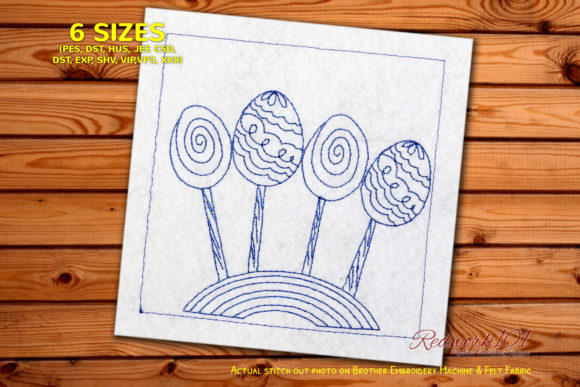
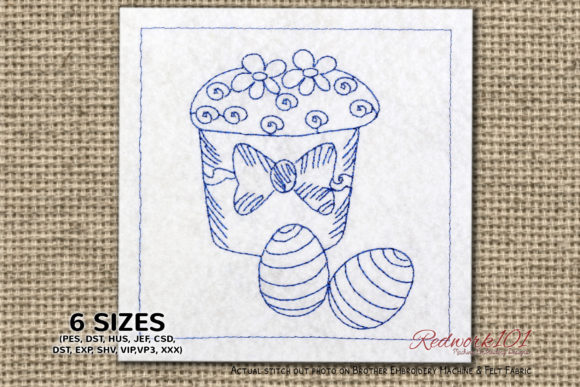
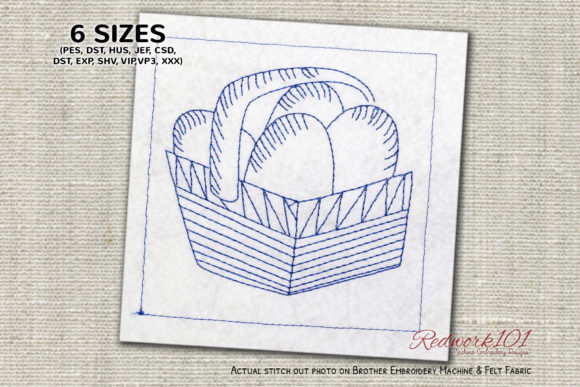
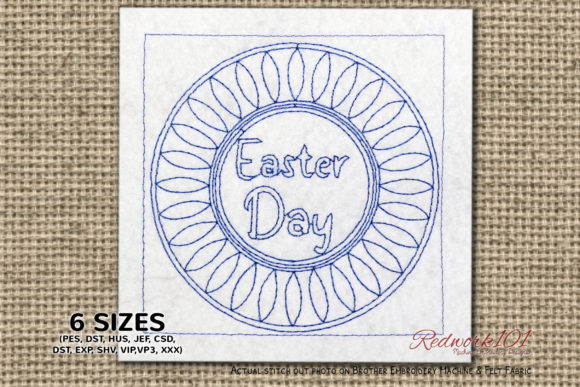
As an embroidery designer who’s built six Easter collections for small shops and Etsy sellers, my first glance at Easter Day Mandala Bluework lands with quiet confidence. It’s not loud or cartoonish—it’s a grounded, meditative take on Easter symbolism: soft concentric layers, botanical flourishes, and balanced symmetry that whisper renewal without shouting it. The bluework aesthetic—clean lines, subtle tonal variation, and intentional negative space—feels both spiritual and modern. It reads as elegant rather than cutesy, cozy rather than cluttered, and quietly festive rather than overtly commercial. That emotional tone matters deeply when shoppers scroll past dozens of Easter designs looking for something meaningful to stitch onto a baby blanket or gift for a grandmother.
Where This Design Shines in Real Holiday Product Lines
Easter Day Mandala Bluework is exceptionally versatile for seasonal product planning. On lightweight cotton sweatshirts or crewneck tees, its open structure avoids bulk while maintaining visual impact—even at 4–5 inches wide. As a tote bag design, it centers beautifully near the top handle seam and photographs well in natural light for Instagram previews. For kitchen towel embroidery, the mandala’s radial clarity reads instantly from across a room, making it ideal for holiday kitchen bundles (think: towel + apron + oven mitt set). On pillow covers and table linens, it adds refined texture without overwhelming patterned backgrounds. And because it lacks fine lettering or micro-details, it translates cleanly into an embroidered patch—perfect for attaching to Easter baskets, denim jackets, or linen napkins.
For handmade gift creators, this design supports thoughtful bundling: pair it with lavender sachets or organic cotton onesies for newborn Easter gifts; scale it down slightly for ornament backings; or use it as a subtle motif on the corner of a linen tea towel—ideal for personalized gift sets sold via Etsy or craft fairs. Its balanced composition also lends itself to realistic printable mockups, helping small shop owners present cohesive, premium-feeling listings without expensive photo shoots.
Smart Placement & Where to Proceed with Care
While Easter Day Mandala Bluework is forgiving across many substrates, some applications require intention. Avoid using it on tightly woven, ultra-thick towels unless you confirm stitch density is moderate—dense fills can stiffen fabric and reduce absorbency. On dark fabric, test thread colors carefully: lighter blues or heathers may disappear without contrast stitching or underlay. For sweatshirt embroidery on fleece-backed knits, always use cutaway stabilizer—not tear-away—to prevent puckering around curved edges.
The optional box stitch referenced in the description is worth noting: if used, it adds framing definition but increases hoop time and thread consumption. Skip it for high-volume production runs or when embroidering on stretchy garments like ribbed baby bodysuits. Likewise, avoid placing Easter Day Mandala Bluework on curved caps or heavily contoured surfaces—the symmetry relies on flat, stable fabric for best results. And remember: if stitching on items meant for repeated washing (like kids’ bibs or dish towels), verify that your chosen thread holds colorfastness and that the design’s outer elements won’t fray over time.
How It Elevates Seasonal Appeal & Buyer Trust
In holiday selling, perception drives purchase. Easter Day Mandala Bluework signals craftsmanship—not just decoration. Its clean execution builds customer trust: buyers associate thoughtful design with quality finished products. That translates directly to perceived value, especially for small shop product listings where handmade authenticity is a key differentiator. On social media, its visual harmony encourages saves and shares—boosting organic reach during peak Easter browsing windows (March 15–April 10).
Because it avoids dated trends or overly literal Easter motifs (bunnies, eggs, baskets), it supports long-term brand consistency. A shop known for serene, nature-infused seasonal embroidery can reuse color palettes—soft sage, dusty blue, oatmeal linen—across Easter, spring, and early summer lines. That cohesion strengthens recognition and repeat purchases. And for Etsy sellers, its adaptability means one digital embroidery file can generate multiple SKUs: pillow cover, tote, apron, and patch—maximizing ROI on a single machine embroidery design.
Practical Designer Notes Before You Stitch
- Always test thread colors on both light and dark fabric swatches—especially with bluework’s tonal subtlety.
- Confirm hoop size compatibility before scaling. This design works best in 4x4” to 6x6” hoops for optimal detail retention.
- Use appropriate stabilizer: cutaway for knits, tear-away for stable wovens, and fusible + cutaway for lightweight linens.
- Review stitched samples closely for any lifted edges or skipped stitches—particularly in the mandala’s outer rings where tension shifts occur.
- Build a matching palette: choose 3–4 complementary thread colors that harmonize with common Easter fabrics (ecru linen, sky-blue denim, oatmeal canvas).
- Verify commercial embroidery rights before selling finished goods—this is essential for Etsy, craft fairs, or wholesale accounts.
- Create realistic product mockups showing Easter Day Mandala Bluework on actual garment types—not just white backgrounds—to build buyer confidence.
Final Thought: A Timeless Anchor for Your Easter Line
Easter Day Mandala Bluework isn’t just another holiday embroidery file—it’s a strategic seasonal asset. It balances tradition with freshness, simplicity with meaning, and versatility with distinction. For apparel decorators, handmade gift makers, and Etsy sellers building authentic, emotionally resonant collections, it’s the kind of seasonal embroidery design that sells not just once, but year after year—because it feels less like a trend and more like a quiet invitation to celebrate what matters.