Easter Brothers Design Review
First Impression: Playful, Polished, and Perfectly Seasonal
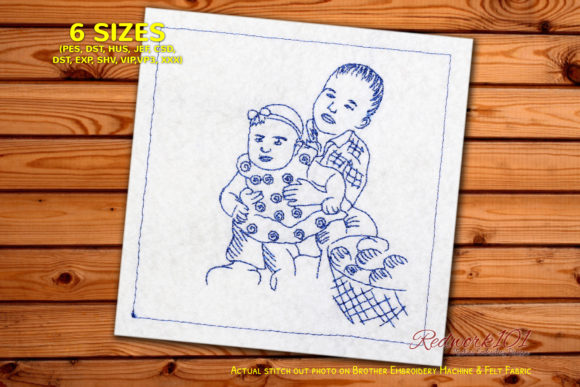
As an embroidery designer who’s stitched hundreds of boutique apparel collections—from limited-run hoodies to Etsy-ready totes—I opened the Easter Brothers Design with genuine curiosity. Visually, it lands as warm, approachable, and intentionally charming—not overly cutesy, not too literal. The line work feels confident, the spacing is generous, and the overall silhouette reads cleanly even at small chest placements. It leans into playful Easter energy without relying on clichés: no bunnies mid-jump or cartoon eggs. Instead, there’s a subtle narrative in the composition—balanced, rhythmic, and quietly cohesive. That makes it versatile across audiences: moms buying for kids, lifestyle brands curating spring capsule collections, and even gender-neutral apparel lines wanting seasonal warmth without saccharine overload.
Sweatshirt & Hoodie Performance: Where Easter Brothers Design Shines
This design excels on neutral sweatshirts—think heather grey, oatmeal, or soft black. Its moderate stitch density holds beautifully on fleece-backed knits without puckering, especially when paired with a medium-weight cutaway stabilizer. On oversized hoodies, the scale reads confidently at 3.5–4 inches wide—neither lost nor overwhelming. For chest placement, it anchors the front with quiet authority; for sleeve accents (left cuff or upper sleeve), it adds just enough personality without competing with branding. I’d avoid placing it directly over ribbed fabric zones like waistbands or hems—it’s better suited to flat, stable panels where stitch definition stays crisp.
Back Designs & Lifestyle Context
At full size, Easter Brothers Design works well as a subtle back motif—centered below the collar or slightly lower for relaxed fits. Paired with minimalist typography or a tiny brand tag, it elevates a plain hoodie into something editorial and intentional. In lifestyle product photos—think cozy spring mornings, coffee + knitwear flat lays—it reads as thoughtful, handmade, and seasonally aware. That visual consistency builds buyer trust: customers recognize your boutique brand’s tone across social media graphics, printable mockups, and actual finished product.
T-Shirts, Denim, and Totes: Adapting for Texture & Scale
On lightweight cotton tees, test first with tear-away stabilizer—especially if using high-contrast thread colors. The design’s clean outlines hold up well, but dense areas (like inner motifs or layered elements) benefit from reduced top tension and slower machine speed. On denim jackets, it adds artisanal contrast without stiffness—ideal for spring layering. As a tote bag centerpiece? Yes—but consider scaling up slightly (to ~5 inches) to maintain legibility on wider canvas surfaces. For small shop product listings on Etsy, this design translates smoothly into clean digital embroidery file previews and printable mockups—no pixelation, no awkward cropping.
Design Nuances That Matter to Embroidery Professionals
The note about “The Box Stitch shown in the picture is optional” is critical. That outer frame isn’t structural—it’s decorative. You can skip it entirely for a softer, more integrated look on delicate fabrics or curved surfaces like curved pockets or tapered sleeves. Also worth noting: “The color of the outer box is a different color in most of the designs unless it is part of the design itself.” Translation? This isn’t just a border—it’s a deliberate color-layering opportunity. Swap thread colors thoughtfully: try tonal greys on charcoal sweatshirts, or muted sage on cream linen-blend tees. That flexibility supports brand identity without locking you into one palette.
Where to Use Easter Brothers Design Carefully
- Stretchy fabric: Avoid high-stretch knits (like performance blends) unless stabilized aggressively—test on scrap first.
- Dense stitch zones: Inspect the file for overlapping fills; some versions may require minor digitizing tweaks for ultra-fine fabrics.
- Curved surfaces: Skip placement near shoulder seams or deep armholes—flat chest or back panels are ideal.
- Tiny lettering or fine details: Not applicable here—the design avoids micro-detail, which is a strength for commercial embroidery reliability.
Impact Beyond Aesthetics: Brand Value & Customer Connection
Using Easter Brothers Design thoughtfully raises perceived value. It signals intentionality—not just holiday relevance, but seasonal storytelling aligned with your boutique brand’s voice. Customers scrolling Etsy or Instagram notice that cohesion: same stitch quality, same thoughtful color pairing, same confident scale across sweatshirts, totes, and tees. That consistency builds recognition—and recognition builds loyalty. For handmade product sellers, it bridges craft authenticity with polished presentation. No one mistakes this for a generic clipart import; it reads like custom apparel, even when sourced as a Creative Fabrica embroidery file.
Practical Designer Notes Before You Stitch
- Always test on scrap fabric matching your final garment’s weight, stretch, and finish.
- Confirm stabilizer choice: Cutaway for knits, tear-away for stable wovens, fusible for lightweight linens.
- Review thread color contrast—especially on dark garments. Lighter threads pop; tonal combos read more luxe.
- Verify hoop size compatibility before loading—some variations may require larger hoops than expected.
- Inspect stitch density visually in your embroidery software—look for balanced fill transitions and smooth satin edges.
- Test on similar garment fabric before committing to a full run—fleece behaves differently than French terry, for example.
- Compare placement options digitally first: chest, sleeve, back, pocket—see what aligns with your brand’s visual rhythm.
- Double-check Creative Fabrica product details and licensing terms before selling finished apparel—commercial use rights vary by collection.
Final Thought: A Reliable Anchor for Spring Collections
Easter Brothers Design isn’t flashy—but it doesn’t need to be. It’s the kind of Creative Fabrica embroidery file that earns repeat use: adaptable across fabric types, respectful of embroidery limitations, and expressive without shouting. For small clothing brands building a curated spring lineup—or Etsy sellers launching a limited hoodie drop—it’s a grounded, professional-grade starting point. It supports your voice instead of overriding it. And in a market saturated with rushed holiday designs, that restraint is its greatest strength.