Decorated Easter Egg Lineart Design
A Clean, Playful Lineart That Elevates Boutique Apparel
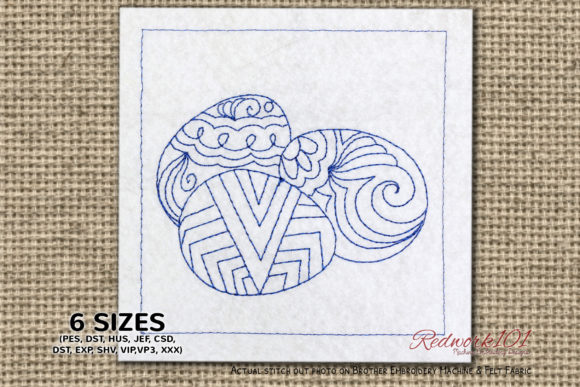
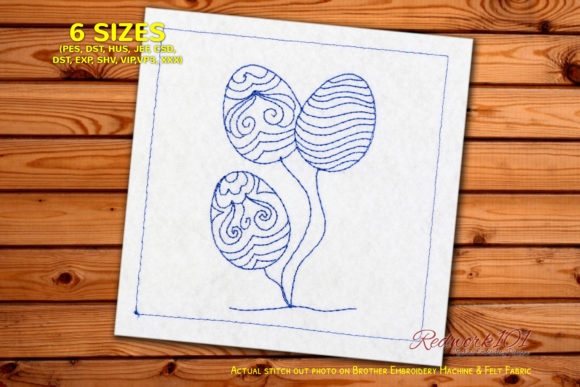
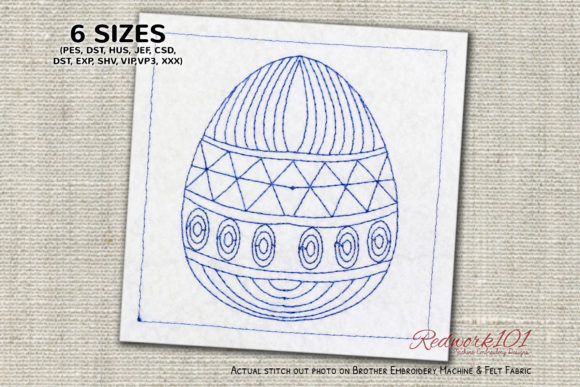
As an embroidery designer who’s developed seasonal collections for small clothing brands and Etsy sellers for over a decade, my first impression of the Decorated Easter Egg Lineart Design is immediate: it’s refreshingly uncluttered yet full of quiet personality. This isn’t a busy, all-over motif—it’s a confident lineart egg with subtle decorative flourishes: delicate swirls, tiny dots, and balanced negative space. It reads as playful but polished, cute without being cloying, and seasonal without feeling dated. The line weight is consistent, the curves are smooth, and the overall shape holds up beautifully at 3–4 inches—ideal for chest placement on sweatshirts and hoodies.
Sweatshirt & Hoodie Embroidery: Where It Shines
The Decorated Easter Egg Lineart Design works exceptionally well for sweatshirt embroidery and hoodie design, especially on neutral or pastel bases—think heather gray, oatmeal, blush, or mint. Its open lineart structure avoids heavy stitch density, which means less risk of fabric distortion on thick fleece or brushed cotton. On dark apparel like charcoal or navy hoodies, pairing it with high-contrast thread (ivory, pale yellow, or soft sage) creates a sophisticated, lifestyle-ready look—not just “Easter decor,” but intentional custom apparel.
For chest placement, it lands cleanly within standard 4×4 hoop size constraints. As a sleeve accent? It reads clearly even at 2.5 inches—perfect for minimalist branding on oversized garments. And while it’s not intended as a large back design, two or three eggs arranged asymmetrically on a hoodie back add subtle seasonal charm without overwhelming the silhouette.
Beyond Easter: Versatility Across Lifestyle Products
Don’t box this into April only. The Decorated Easter Egg Lineart Design translates beautifully to t-shirts (especially lightweight jersey), denim jackets (stitched over pockets or along plackets), and structured tote bags. Its clean lines photograph well in printable mockups and lifestyle product photos—no bleeding, no fuzzy edges, no excessive fill that distracts from garment texture. For Etsy sellers and small shop products, that consistency builds buyer trust: customers know exactly what they’ll receive, and the design supports your brand identity rather than competing with it.
On cozy seasonal outfits—think cropped sweatshirts, ribbed knit sets, or woven lounge pants—the lineart maintains visual lightness. Unlike dense satin-stitch motifs, it doesn’t fight the fabric’s drape or emphasize puckering on curved surfaces like shoulders or side seams.
Where to Use It Carefully (and Why)
This machine embroidery design performs best when thoughtfully matched to fabric and placement. Avoid using it on highly stretchy knits (like performance blends) without proper stabilizer—lineart relies on crisp edge definition, and stretch can blur fine lines. Similarly, on ribbed fabric or textured fleece, test stitch density first: too many overlapping stitches in tight areas may flatten the ribbing or create stiffness.
Small chest placement? Ideal—but confirm the final size fits your target hoop size before digitizing adjustments. Tiny lettering isn’t part of this design, so no concerns there. And while the outer “box” shown in some previews is optional (and often in a contrasting color), remember: you can skip it entirely if it doesn’t suit your boutique brand aesthetic. That flexibility matters when building cohesive collections.
Design Integrity Meets Commercial Practicality
What makes the Decorated Easter Egg Lineart Design valuable for commercial embroidery isn’t just its cuteness—it’s how it supports professionalism. Clean lineart signals attention to detail. It photographs crisply for social media graphics, scales predictably across product types, and integrates smoothly into existing brand palettes via thread color choice alone. Customers recognize quality stitching instinctively: consistent tension, smooth curves, no thread breaks in narrow segments. That perception directly affects perceived value—and repeat purchase likelihood.
For handmade product listings, this digital embroidery file helps maintain visual consistency across your catalog. Whether you’re launching a spring capsule or adding limited seasonal pieces, it reinforces product recognition without requiring custom illustration each time.
Practical Notes Every Embroidery Designer Should Check
- Test on scrap fabric—especially if stitching on fleece, ribbed knit, or dark garments where thread contrast shifts under lighting.
- Review stabilizer choice: a medium-weight cutaway or tear-away works well; avoid heavy mesh on lightweight tees.
- Confirm thread color contrast—light threads pop on darks, but avoid stark white on black unless that’s your brand voice.
- Verify hoop size compatibility before production—most versions fit 4×4, but always double-check the Creative Fabrica embroidery listing details.
- Inspect stitch density in tight decorative zones—some versions include optional box stitching; assess whether it adds value or visual noise for your use case.
- Test on similar garment fabric before committing to a full run—fabric texture dramatically affects line clarity.
- Compare placement options: center chest, left chest, sleeve, or pocket—each changes how the design reads in context.
- Check Creative Fabrica product details and licensing before selling finished apparel—confirm commercial use terms apply to your business model.
Final Thought: A Thoughtful Addition, Not Just Seasonal Fill
The Decorated Easter Egg Lineart Design stands out because it feels intentional—not rushed, not generic, not overly literal. It’s the kind of embroidery file that supports a boutique brand’s voice instead of shouting over it. Whether you’re prepping a small sweatshirt collection, refreshing your Etsy lineup, or building a cohesive spring merchandise drop, this design earns its place through versatility, execution integrity, and quiet confidence. It’s Easter-inspired, yes—but more importantly, it’s apparel-ready.