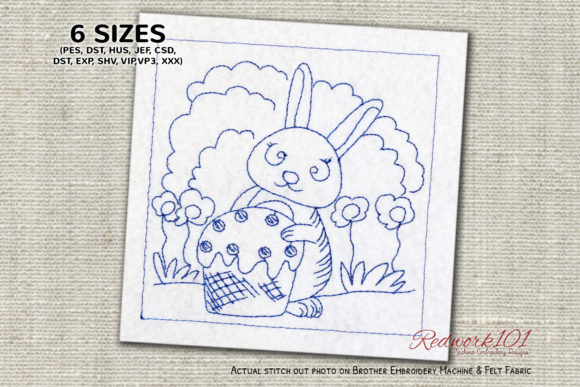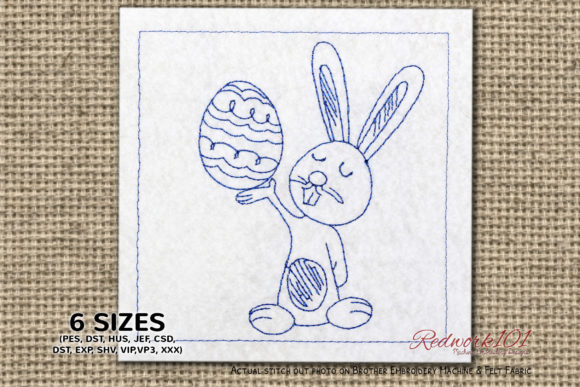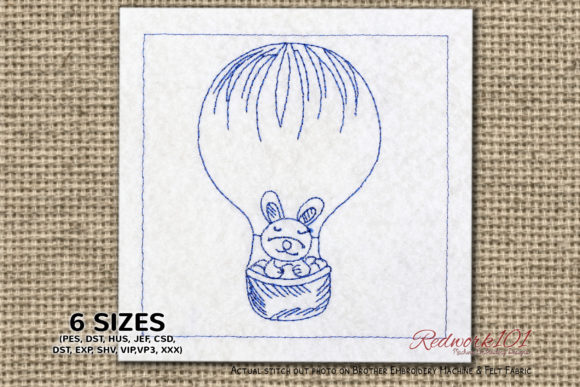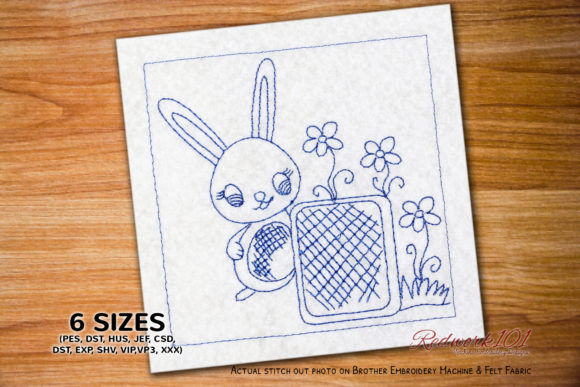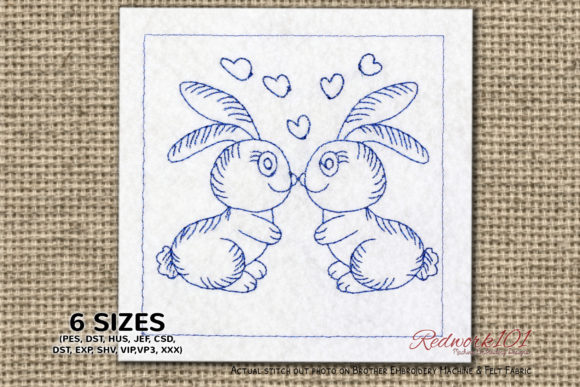
Easter Bunny Couple Machine
First Impression: Sweet, Festive & Booth-Ready
As an embroidery designer who’s prepped over 200 craft fair booths—from Portland maker markets to Southern holiday bazaars—I opened Easter Bunny Couple Machine expecting charm, and got it instantly. It reads as soft-festive with a gentle modern twist—not overly cutesy, not stiffly traditional. The “couple” framing suggests warmth and connection, which resonates deeply with shoppers buying handmade gifts for moms, teachers, or newlyweds celebrating Easter Sunday brunch. It leans into joyful nostalgia without leaning on cliché carrots or eggs, making it feel fresh for repeat buyers who’ve seen every bunny silhouette on Instagram.
Where It Shines: Product-by-Product Reality Check
This isn’t just a design—it’s a versatile machine embroidery design that earns its place across multiple high-margin craft fair product categories:
- Tote bag design: Works beautifully centered on the front panel of natural canvas or linen totes—large enough to read from three feet away, but not so dense it overwhelms the fabric.
- Apron embroidery: Perfect for the chest pocket or lower bib area. Its balanced proportions avoid visual heaviness, and the couple motif subtly reinforces “handmade with care.”
- Tea towel embroidery: Ideal for the corner or lower third. Because stitch density appears moderate (based on the description referencing optional box stitching), it holds up well on textured cotton terry or waffle weave—no sinking or puckering if stabilized correctly.
- Embroidered patch: A standout. Clean outlines and clear negative space mean it’ll press cleanly onto denim jackets, backpacks, or kids’ overalls—even at 3" wide.
- Pillow cover & small pouch: Scales down gracefully. No tiny facial features or micro-details that vanish at 2.5". That’s rare—and valuable when you’re stitching 40+ units in one weekend.
- Caps & curved surfaces: Caution advised. While the overall shape is friendly for curve adaptation, avoid placing it too close to the bill seam unless you’ve tested it on scrap baseball caps first. Curves distort fine lines faster than you’d expect.
What Makes It Sell on the Floor—and Online
At a crowded craft fair, Easter Bunny Couple Machine stands out because it feels intentional—not generic. Customers pause longer when they see cohesive storytelling in a design. “Couple” implies relationship, celebration, shared tradition—making it emotionally sticky for gifting. On Etsy or your own shop, it photographs cleanly: no muddy gradients, no thread blending that disappears on screen. That means your printable mockup will convert better, and your digital embroidery file listing gains credibility fast.
It also supports brand consistency. If your line includes spring florals, linen textures, and neutral palettes, this design fits right in—no jarring contrast. And because the outer box is optional and color-variable, you can match it to your signature thread palette (think oatmeal + sage, or blush + charcoal) without redesigning anything.
Production Notes Every Embroidery Business Owner Should Know
Before you load your first hoop, here’s what I check every time—with Easter Bunny Couple Machine, these steps are non-negotiable:
- Test on scrap fabric matching your intended product (e.g., tea towel texture vs. twill apron weight). Stitch density shifts dramatically across surfaces.
- Verify thread contrast, especially on dark fabric. Light-toned bunnies may vanish on navy or charcoal unless you add underlay or switch to tonal metallics.
- Review spacing between elements. Tight gaps between ears or paws can cause thread nesting if the design wasn’t digitized with breathing room.
- Confirm hoop size—even if unlisted, assume it’s optimized for a 4x4 or 5x7. Don’t force it into a 3x3 without scaling tests.
- Use the right stabilizer. For towels: cutaway + topping. For lightweight pouches: tearaway + light film. Skipping this turns charm into frustration.
- Create at least one real mockup—not digital. Hang it beside your other bestsellers. Does it hold attention? Does it look like something people would pay $28 for?
- Compare fabric colors before bulk ordering. A cream bunny on ecru linen reads differently than on oatmeal canvas—even slight variations change perceived value.
- Confirm commercial licensing before selling finished products. Since the description notes “The Box Stitch shown in picture is optional,” ensure your license covers derivative use—including omitting or recoloring elements.
Careful-Use Considerations: Keep Clarity, Keep Confidence
This design avoids many common pitfalls—but stay alert for:
- Dense stitch areas: If the optional outer box is stitched in full satin, it could create stiffness on soft fabrics like rayon blends. Skip it—or reduce density by 15%—for apparel.
- Tiny details: None reported, but always zoom in on the .dst or .pes file. Even subtle whiskers or paw pads can blur on textured towels.
- Small lettering: Not mentioned—so likely absent. That’s a win. Text fails first at craft fairs.
- Thick fabric & curved cap surfaces: Reiterate: test first. Hoop slippage ruins rhythm—and your Saturday sales pace.
- Dark fabric: Always run a contrast test. White-on-black needs tighter tension and possibly slower speed to prevent skipped stitches.
Final Thought: A Quiet Workhorse With Personality
Easter Bunny Couple Machine isn’t flashy—but it’s reliable, emotionally resonant, and production-smart. It doesn’t shout. It invites. That’s exactly what moves units at 11 a.m. on a sunny Saturday, when shoppers are tired of glitter and ready for sincerity. As a small shop product, it strengthens your story. As a commercial embroidery asset, it scales without sacrificing handmade quality. And for Etsy sellers building seasonal collections? It’s the kind of design that gets favorited, saved, and reordered next March—because it feels both timely and timeless. Just remember: great embroidery starts with respect for the fabric, the thread, and the person who’ll hold that embroidered tote in their hands. Test it. Trust it. Then stitch it with confidence.