Leo Plants: A Seasonal Single Flower Embroidery Design Review
First Impression: Warm, Grounded, and Quietly Festive
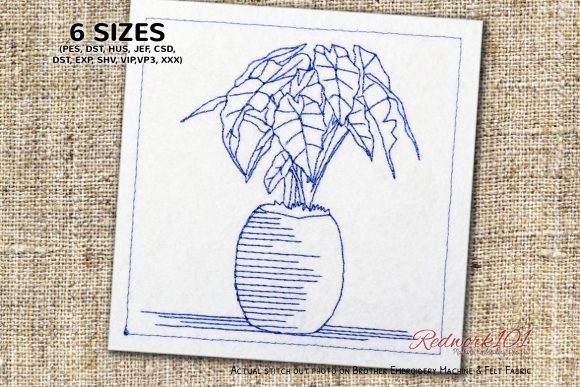
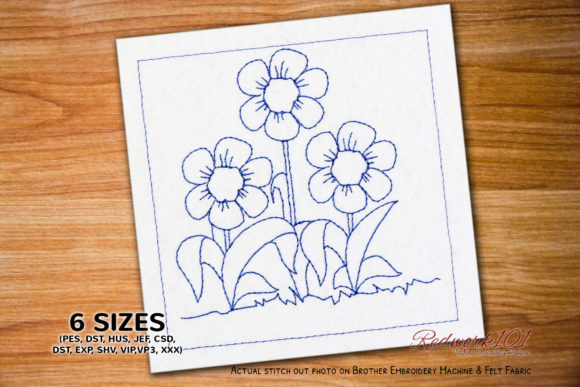
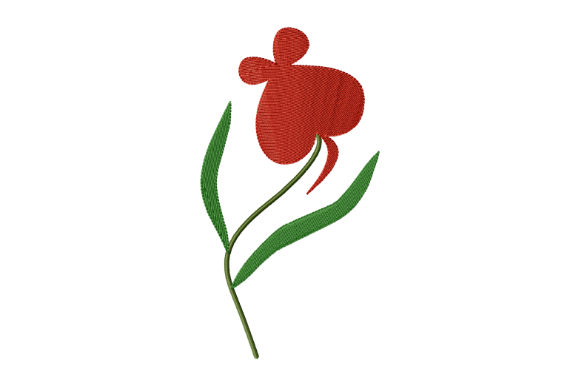
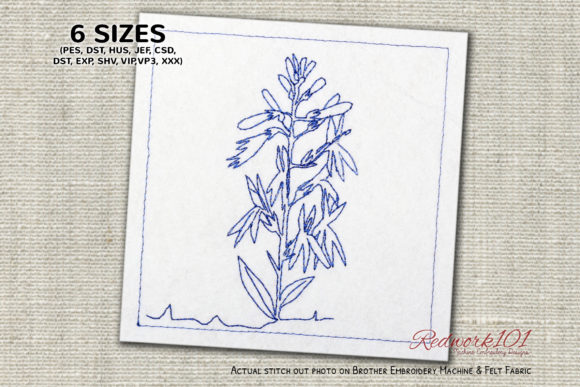
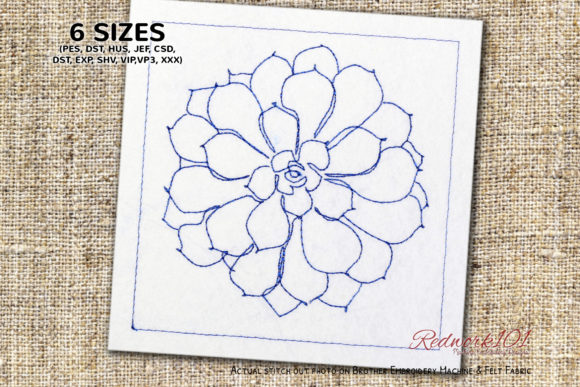
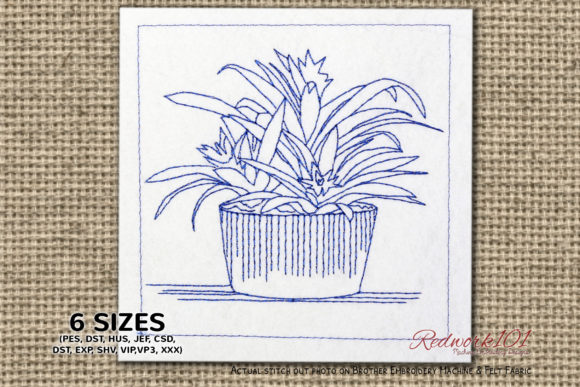
As an embroidery designer who’s built seasonal collections for over a decade—think holiday markets, Etsy bestsellers, and custom gift lines—I opened Leo Plants expecting another botanical motif. Instead, I found something more intentional: a single-flower design that feels rooted in quiet celebration. It’s not flashy or overly ornate, but it carries warmth—like dried lavender tucked into a linen sachet, or a pressed bloom sealed in wax paper and gifted at solstice. The mood is cozy and grounded, with subtle elegance—not rustic, not modern, but timeless. That makes Leo Plants unusually versatile across holidays: gentle enough for baby showers and spring birthdays, refined enough for Easter brunch linens, and warm enough for autumn table runners or winter gift tags.
Real-World Holiday Product Performance
Leo Plants shines where emotional resonance matters most—handmade gifts, limited-edition drops, and curated bundles. On sweatshirt embroidery, it reads beautifully centered on the chest or subtly on the sleeve cuff—especially when paired with earthy thread colors like burnt sienna or sage green. As a tote bag design, it adds artisanal charm without overwhelming the canvas; shoppers instantly recognize it as intentional, not generic. For kitchen towel embroidery or pillow covers, its balanced scale and clean line work hold up through repeated washing and frequent use—critical for home decor sold during gifting seasons.
At craft fairs, Leo Plants stands out in small-shop product displays because it avoids trend fatigue. Unlike hyper-seasonal motifs (think snowflakes or pumpkins), this single flower design invites personal interpretation—it’s equally fitting for a “new home” gift, a “just because” birthday, or a “welcome baby” bundle. As an embroidered patch, it stitches cleanly onto denim jackets, aprons, or backpacks, building brand consistency across a shop’s holiday collection. And for social media previews? Its organic shape translates well into printable mockups and Instagram carousels—no distortion, no pixelation, just clear visual storytelling.
Where to Use Leo Plants Thoughtfully
While Leo Plants is adaptable, it’s not universally forgiving. Avoid using it on curved caps or stretchy garments unless you’ve tested stitch density and stabilizer pairing first—the floral form relies on clean outlines, and distortion can blur its quiet confidence. On thick towels or textured fabrics like burlap or heavy linen, consider simplifying or omitting the optional Box Stitch (noted in the product description) to prevent bulk or puckering. Dark fabric demands careful thread color testing: what reads as rich charcoal on white may vanish on navy unless you choose high-contrast metallic or matte silver threads.
Small hoop sizes (under 4x4 inches) require scrutiny—zoom in on the digital embroidery file before production. If fine petal details shrink below 0.8mm, they may not register clearly after stitching, especially on low-stitch-count versions. And while metallic thread adds festive shimmer, it increases breakage risk in delicate areas; reserve it for larger elements only. Always confirm your hoop size compatibility before batching holiday orders—nothing disrupts a limited-time drop like re-hooping mid-run.
Seasonal Appeal & Buyer Trust in Action
Leo Plants strengthens seasonal appeal by offering *quiet differentiation*. In a marketplace flooded with bold typography and cartoonish florals, this single flower design signals craftsmanship and care—traits buyers actively seek in personalized gifts and handmade items. When customers see Leo Plants on an Etsy listing for embroidered tea towels or baby onesies, they read intentionality, not mass production. That builds trust fast—especially during high-stakes holiday shopping, when hesitation means lost sales.
Its visual recognition is strong but subtle: no loud graphics, no competing patterns—just one confident bloom. That supports brand consistency across product categories (tote bags, pillow covers, patches) without needing redesigns or color overrides. And because it’s part of the Single Flowers category, it slots naturally into broader botanical collections—making cross-selling easier during holiday bundles (“Pair Leo Plants with our Olive Branch set for a garden-themed gift box”).
Practical Designer Notes for Holiday Production
- Test thread colors on both light and dark fabric—especially if selling finished products where color accuracy impacts returns.
- Check stitch density before scaling for kitchen towel embroidery or pillow cover applications—overly dense fills can stiffen natural fibers.
- Confirm hoop size compatibility early—some versions include the optional Box Stitch, which expands outer dimensions.
- Use proper stabilizer: medium-weight cutaway for knits (sweatshirts, baby onesies); tear-away for stable wovens (towels, linens).
- Create realistic mockups before listing—show Leo Plants on actual fabric swatches, not just white backgrounds.
- Review small details after stitching, especially petal edges and stem curves—these define its seasonal tone.
- Plan matching color palettes across your holiday line: think terracotta, oat, moss, and slate—not just red/green.
- Confirm commercial licensing before selling finished seasonal products—this is non-negotiable for Etsy sellers and small business owners.
Bottom line: Leo Plants isn’t just another embroidery file. It’s a seasonal anchor—a single flower design that balances simplicity with soul, versatility with voice. Whether you’re launching holiday apparel, curating gift-ready bundles, or refreshing your Etsy shop for autumn launches, Leo Plants earns its place not through novelty, but through quiet, consistent resonance. And in the crowded holiday embroidery space, that kind of reliability is rare—and deeply valuable.